DAILY OUTFITTER BLOG
Pakistani Suit Sizes: US & UK Measurement Guide
By Daily Outfitter · · Updated
There is no dependable universal conversion from a Pakistani suit's S, M or L label to a US or UK size. Compare the seller's actual garment measurements with your body measurements and a comfortable existing outfit, then discuss ease with your tailor.
Why size labels need a second check
Size names and garment cuts vary between brands in Pakistan, the US and the UK. A letter or number identifies a seller's sizing system; it is not a complete set of measurements. For an unstitched suit, fabric allowance and your tailor's plan matter more than an alpha size.
What to measure instead of guessing a conversion
| Measurement | What to record | What to confirm |
|---|---|---|
| Chest or bust | A relaxed body circumference | Body measurement versus finished garment width |
| Waist and hip | Separate circumferences | Ease for sitting and movement |
| Shoulder | Your tailor's requested measurement | Where the measurement starts and ends |
| Shirt and sleeve length | Your preferred finished lengths | Units and desired cuff position |
| Trouser | Waist, length and opening preference | Shalwar, straight trouser or another cut |
Keep units and methods clear
Agree on inches or centimetres before sending numbers. Label every measurement. A flat garment width is not the same as a body circumference: some sellers publish a flat chest width, while others publish the full circumference. Read the chart's method instead of doubling or halving numbers without checking.
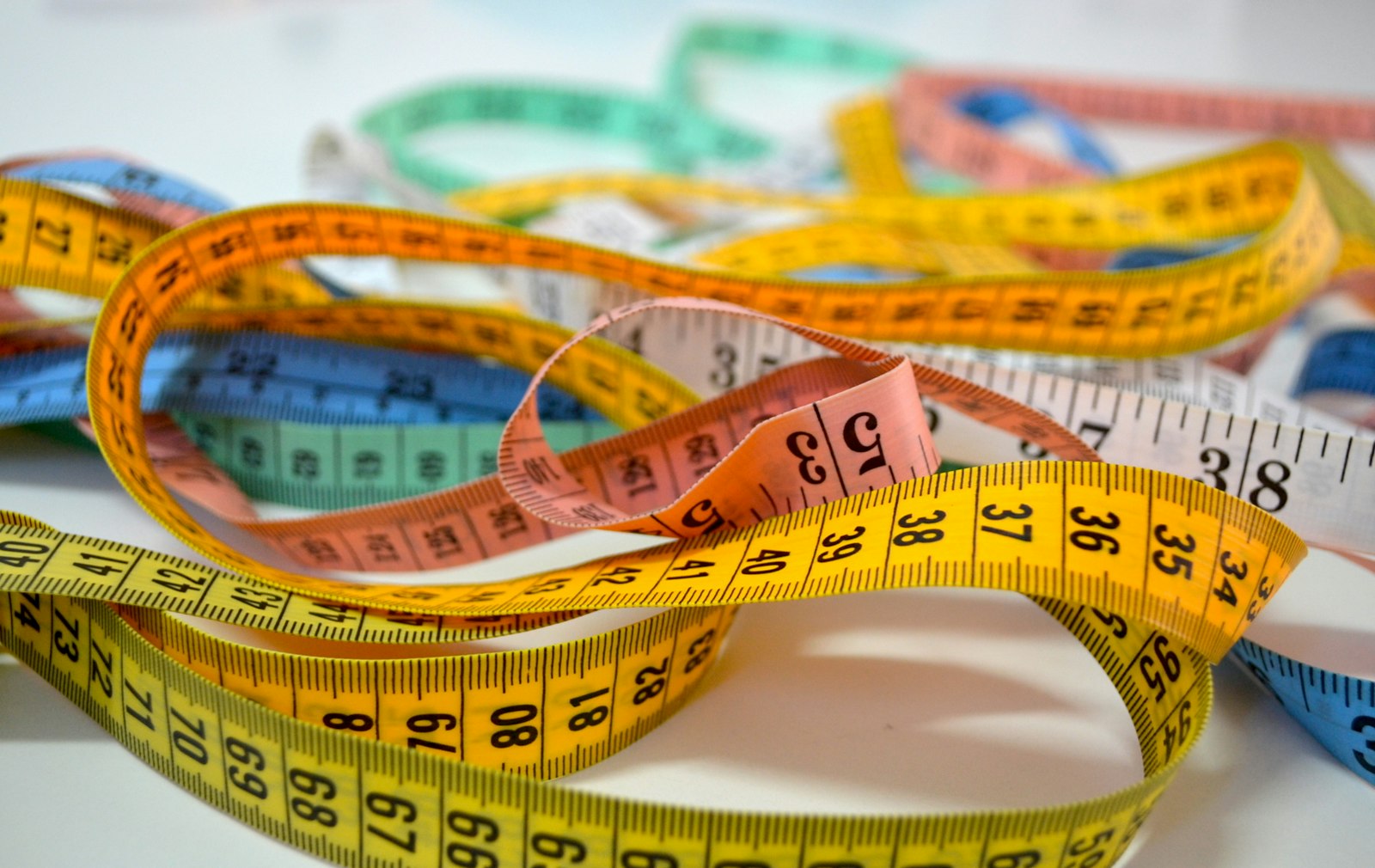
Use a flexible measuring tape, stand naturally and avoid pulling it tight. Repeat a doubtful measurement. For more detail, read our kameez measurement guide.
Use an existing outfit as a reference
If you own a comfortable kameez, ask the tailor which finished garment measurements they want from it. Explain anything you would change, such as sleeve room or shirt length. Do not send an old outfit's measurements as body measurements without labelling them.
Ease is the room added for movement, style and layers. There is no single allowance suitable for every cut and fabric. A trial fitting helps confirm the neckline, armholes and sitting comfort before final finishing.
Ordering unstitched fabric
Check shirt panels, fabric length and usable width before choosing the cut. Embroidery placement and borders can limit alterations. A three-piece set does not mean unlimited fabric for every size or silhouette.
For men, ask your tailor whether the listed cut covers your kameez and shalwar plan. If you want wider trousers, extra length or another garment, confirm the requirement before purchase.
A brief for remote tailoring
- State the measurement unit and date taken.
- Label body measurements separately from garment measurements.
- Include fabric and border photos.
- Explain the preferred cut, lining and coverage.
- Ask the tailor to confirm the plan before cutting.
Use our remote tailoring checklist, then compare Ladies Wear or Gents Wear listings.
Frequently asked questions
Is a Pakistani Medium always a particular US size?
No. Compare the specific seller's measurements and measurement method rather than assuming one conversion.
Does unstitched guarantee a perfect fit?
No. Fabric allowance, accurate measurements, the chosen cut and tailoring quality still matter. Arrange a trial fitting where possible.